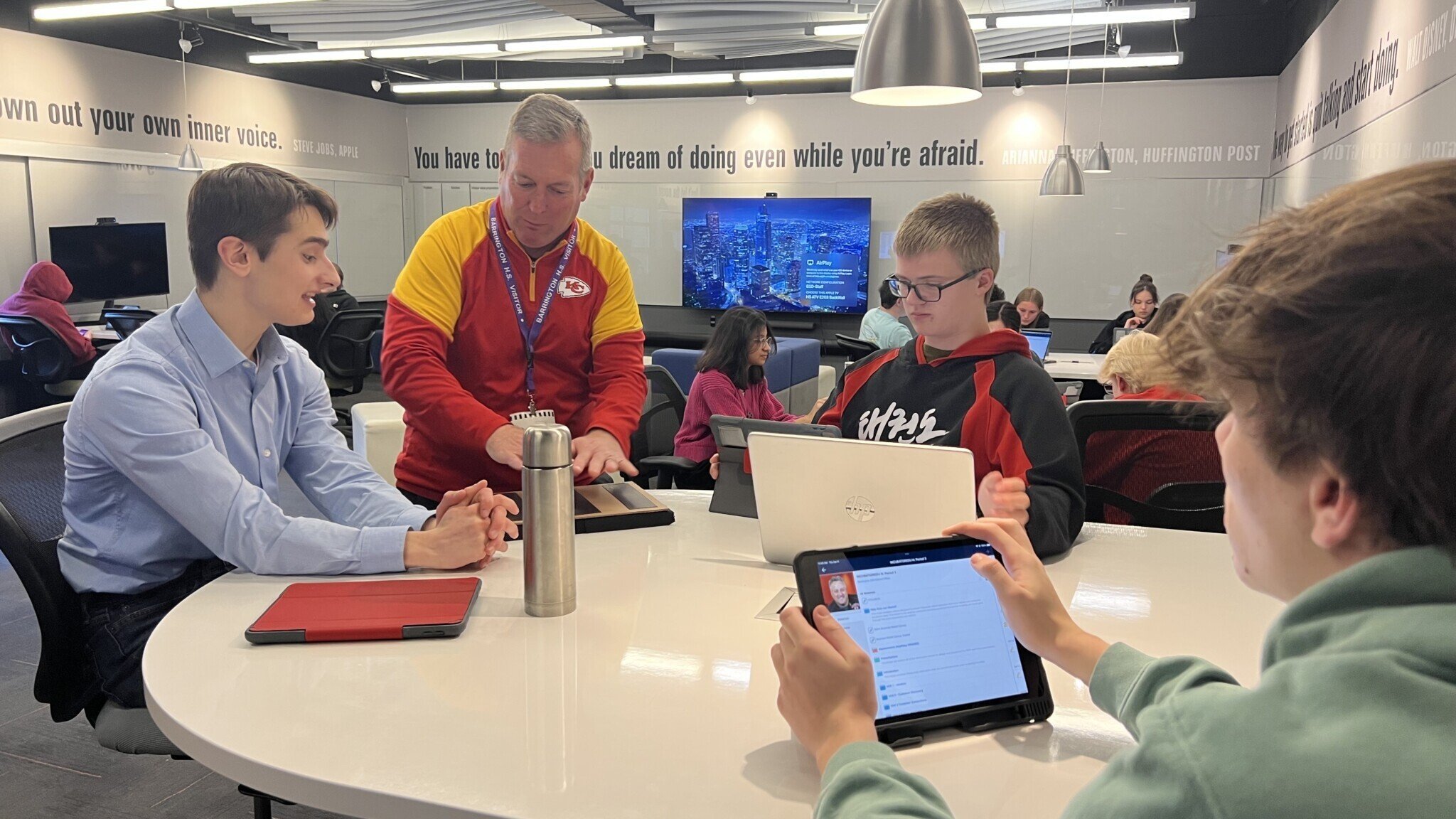
The traditional high school curriculum was designed for the 20th-century economy: memorize facts, follow instructions, and land a steady job at a large, stable corporation. Today, that economy is a relic. We now live in a world defined by exponential technological change, unpredictable market shifts, and a dizzying speed of disruption. For the students sitting in classrooms right now, success isn’t about memorizing the right answers; it’s about asking the right questions and creating the answers themselves.
This shift requires a radical re-evaluation of what we teach. Education leaders across the country are realizing that the most valuable skill we can impart is not accounting or marketing, but the entrepreneurial mindset. This mindset—built on resilience, creative problem-solving, comfort with ambiguity, and the ability to pivot—is essential in startups, as an intrapreneur in big organizations, or as a citizen working for the common good.
Over the last few years, we’ve supported The Real World Learning initiative in metro Kansas City (sponsored by the Kauffman Foundation). This collaboration of ninety high schools has a shared commitment to offering entrepreneurial experiences under the category of a “Market Value Asset,” a signifier of a valuable real-world experience. With help from a handful of key entrepreneurship organizations and a lot of local efforts, Kansas City learners have in and out-of-school access to entrepreneurial experiences (those seeking enterprise value as well as social impact). It’s the best regional effort to make the entrepreneurial mindset systematic and invite learners to experience entrepreneurial success.



