At The Harker School in California's Silicon Valley, entrepreneurship has become an established part of an educational experience known for rigorous academics and opportunities for students to pursue their interests.
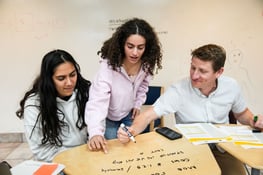 The school's business and entrepreneurship department has grown over the past decade, building on an active DECA program and strong student interest. Today, it offers courses spanning business, finance, economics, and entrepreneurship including INCubatoredu, where students develop and launch their own businesses.
Juston Glass, Business and Entrepreneurship Department Chair at Harker, shared “the vision for our program has always centered around ‘Learn By Doing’ and giving our students the most real-world experience possible, including a safe place to fail.” That student-driven beginning has evolved into a robust set of offerings supported by dedicated faculty and connections to the Silicon Valley business community.
Michael Acheatel, who teaches INCubatoredu at Harker, has witnessed the growing enthusiasm among students and families. He recalls a time when parents were hesitant to make room for business electives alongside challenging STEM courses. Today, more families recognize entrepreneurship as an opportunity for students to pursue meaningful passion projects that can also distinguish them in the college admissions process.
Through INCubatoredu, Acheatel guides students as they develop and launch businesses with support from volunteer mentors and professionals in the community. For him, the program's value extends well beyond preparing students for business careers. It gives students opportunities to discover more about themselves, build confidence, and experience learning in a different way.
Another Way for Students to Discover Strengths
 One of the things Acheatel values most about Harker is the breadth of opportunities available to students. Entrepreneurship adds another dimension, giving students the chance to discover interests and strengths that may not emerge in other academic experiences.
He recalls a team that created dog toys from recycled denim and brought their business to Harker's pitch competition. Their idea and presentation earned an audience-favorite award, but what stayed with Acheatel was the enthusiasm these students brought to their entrepreneurial journey. Their parents told him the program had sparked a level of passion and dedication they hadn't seen before. “Hitting the competition stage and sharing their enthusiasm was their moment to let their strengths shine,” Acheatel says.
Entrepreneurship also challenges students accustomed to academic success. Building a business requires students to navigate uncertainty, approach unfamiliar people, and test ideas that may not work. For students used to finding the right answer, learning to embrace setbacks can be an entirely new experience.
Confidence Grows Through Small Wins
Acheatel believes one of entrepreneurship's greatest benefits is helping students recognize the connection between their effort and their progress.
Students may discover that a competitor already offers their proposed product or that customers aren't interested in a feature they thought was essential. They must decide how to respond, adjust their ideas, and keep moving forward.
Over time, those experiences begin to change how students approach challenges.
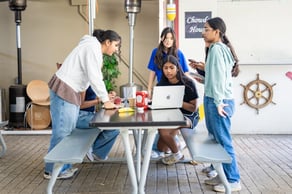 "The students continually encounter roadblocks, but along the way, they experience small wins,” Acheatel says, “Each of those wins builds confidence, giving students the tangible evidence that they can overcome challenges and accomplish difficult things.”
That growth is reflected in the experience of a Harker entrepreneurship student who described how the class strengthened their ability to present to an audience of 200-300 people. The student also credited the experience with improving their ability to communicate ideas and persuade others.
Acheatel sees a similar shift when former students return after graduating to speak with his classes. Students who once viewed failure as something to avoid now describe it as a valuable part of the entrepreneurial process. Having experienced setbacks firsthand, they've learned that progress often comes from figuring out what to do next.
Bringing the Harker Community Into the Experience
Harker's entrepreneurship program has also created opportunities for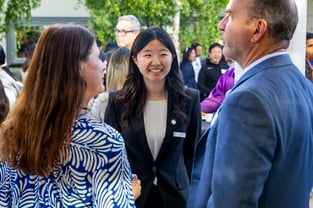 parents, alumni, and local business leaders to participate directly in student learning.
The school draws on its Silicon Valley connections to bring experienced professionals into the classroom as mentors, coaches, and judges. Parents and alumni have also opened their workplaces to students, including venture capital firms where teams can practice pitching their ideas.
"I think from an administrator standpoint, this has been an extremely attractive component of our program," Acheatel says.
Students see the value of these connections firsthand. In a Harker-produced video, one student describes how INCubatoredu helped their team move from a minimum viable product (MVP) into full-scale product development, while interactions with business professionals provided valuable experience with real-world networking.
The school's connections have also created opportunities beyond campus. Through a relationship with Pegasus Tech Ventures, Harker has developed a pitch competition that welcomes student participants from across the country.
For Acheatel, the enthusiasm extends beyond current students. As a Harker parent himself, he hears from lower school families who are already looking forward to the high school entrepreneurship experience.
Fika Matcha: From Classroom Idea to National Pitch Winner
Harker students Stellan and Nicole offer a compelling example of the growth Acheatel describes.
 The students joined forces in INCubatoredu around a shared interest in developing a physical product. Their idea became Fika Matcha, a business offering premium Japanese matcha blends designed as an alternative to conventional energy drinks.
They conducted more than 50 customer interviews to understand what potential buyers wanted and used that feedback to develop three blends.
Their work earned first place and $20,000 in funding at Uncharted Learning's 2026 INCubatoredu National Student Pitch.
But the students' reflections on the experience reveal something just as meaningful as the award.
Nicole recalled that during their first customer interviews, it took about 15 minutes to work up the courage to approach a stranger. Months later, the team was visiting businesses in person and continuing to seek feedback despite repeated rejections.
"That's really what INCubatoredu has given us: the confidence to bounce back, to keep challenging ourselves and to put ourselves out there in the world," Nicole explains.
Their experience illustrates the growth Acheatel sees in his students. The confidence they developed came from doing the work, especially the parts that initially felt uncomfortable.
More Time for Teaching, Less Time Building Curriculum
For private school leaders considering entrepreneurship education, Acheatel recommends starting with a passionate educator and providing the support needed to build a successful program.
"Support them, give them resources, connect them with your advancement team, your alumni team," he advises.
Acheatel understands the work involved. Before partnering with Uncharted Learning, he spent years developing his own entrepreneurship curriculum. He had a clear vision for the student experience, but creating and maintaining the curriculum while teaching was demanding.
INCubatoredu provided an established, adaptable curriculum that freed him to focus more of his energy on guiding students through the entrepreneurial process. Just as valuable was the professional development and opportunity to connect with educators across the country who were navigating similar challenges.
Acheatel describes joining that community as "a breath of fresh air and continual source of inspiration."
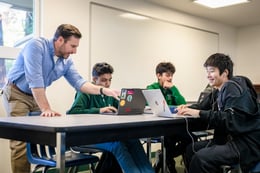 For schools like Harker, this combination of curriculum and educator support provides a foundation that can be adapted to fit the school's culture and goals. Rather than building everything from scratch, teachers can focus on the relationships, experiences, and individual guidance that make entrepreneurship education meaningful.
A Broader Vision for Student Success
At Harker, entrepreneurship has become another way for students to explore their interests and develop their potential. The experience challenges students with different strengths while connecting their learning to people and opportunities beyond the classroom.
Acheatel encourages school leaders to recognize that broader potential and give entrepreneurship programs time to grow. With a passionate educator, a supportive community, and the right resources, authentic entrepreneurship can become a lasting part of a school's educational experience.
Explore how INCubatoredu from Uncharted Learning can help your school bring real-world entrepreneurship education to students.


