Industry Features, Press Releases & Impact on Students, Schools and Communities

How You Build Entrepreneurs Before They Enter the Workforce
-
What does it look like when entrepreneurship is taught as a lived experience, not a future aspiration?
-
How do you build leadership, confidence, and ownership before a job title ever exists?
-
And what happens when schools are designed to develop people, not just credentials?
In this episode of The Parallel Entrepreneur Innovation Series, Mark Cleveland and Johnny Anderson sit down with Dr. Jeremy Qualls, Executive Director of the Entrepreneurship & Innovation Center (EIC) and College, Career & Technical Education at Williamson County Schools, to explore those questions.
Jeremy leads one of the most forward-thinking entrepreneurship models in the region, giving high school students hands-on experience launching real businesses, products, and services while earning academic credit.
From this conversation, you’ll learn:
-
Why entrepreneurship is a mindset, not a career path
-
How leadership development changes when it starts earlier
-
What founders can learn from education systems—and vice versa
-
Why culture and coaching matter more than curriculum
-
How community partnerships create real-world opportunity

Clay Banks and EIC on Empowering Future Entrepreneurs Through Mentorship and Innovation
Key Points:

From brainstorms to brands: Highlands Middle School students shine at Business Fair
Business was booming Wednesday evening at Highlands Middle School, where students displayed their entrepreneurial spirit with a wide array of products and services during the popular annual Business Fair.

Why Schools Should Leverage Their Local Chamber of Commerce: Building Economic Opportunity Through Local Partnerships
Key Points:

Plainfield South Alumna 1 of 5 Nationwide to Win Grant for Entrepreneurial Spirit
PLAINFIELD, IL — A 2025 Plainfield South High School alumna was one of five nationwide to receive a grant that recognizes students for overcoming adversity.
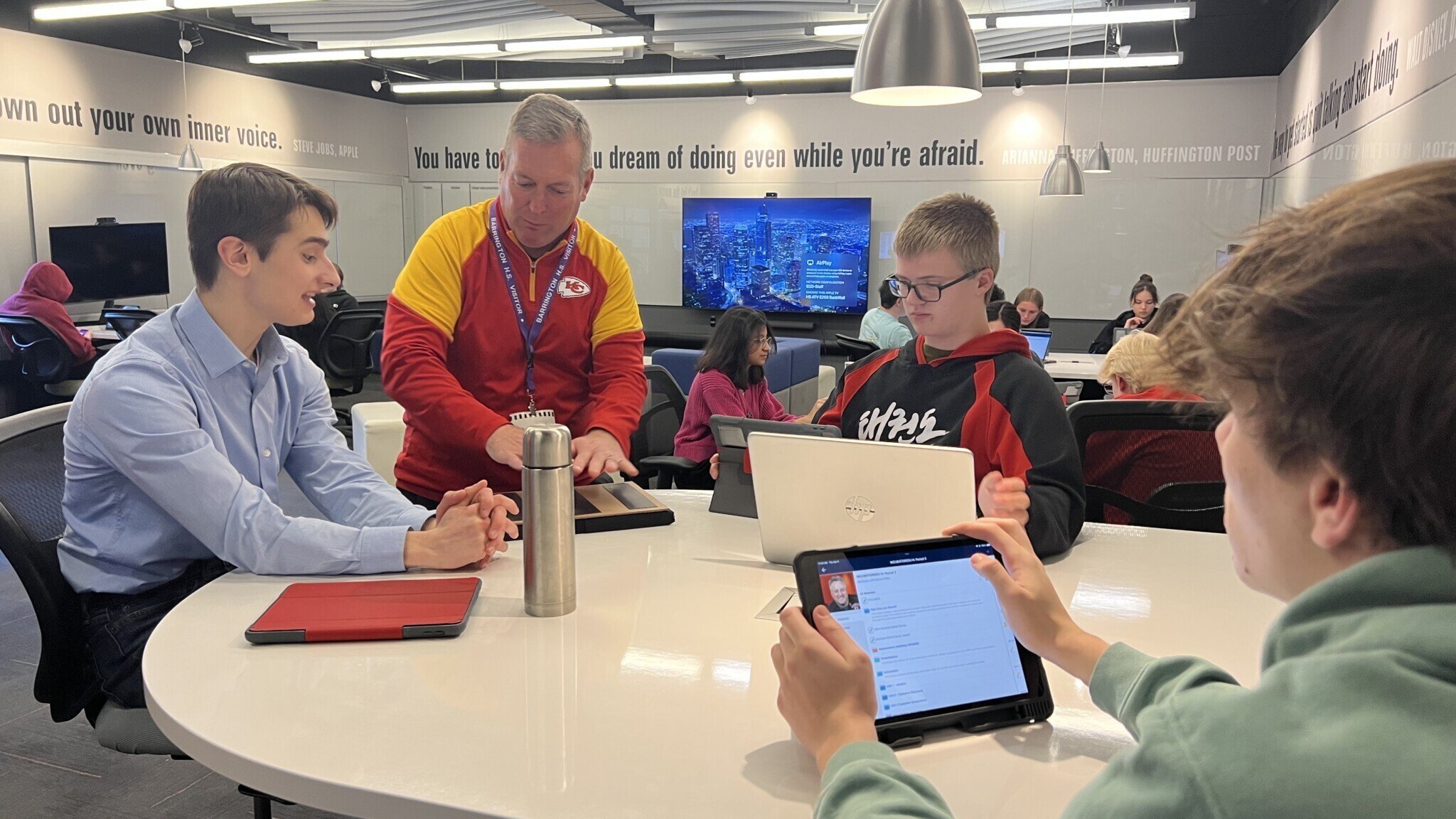
Entrepreneurship: The New Core Curriculum
The traditional high school curriculum was designed for the 20th-century economy: memorize facts, follow instructions, and land a steady job at a large, stable corporation. Today, that economy is a relic. We now live in a world defined by exponential technological change, unpredictable market shifts, and a dizzying speed of disruption. For the students sitting in classrooms right now, success isn’t about memorizing the right answers; it’s about asking the right questions and creating the answers themselves.

Catching Up: Ambient AI, Alpha School, and The Educator of the Future
Shownotes:
Mason Pashia: ... "We both love good news, and we think that’s core to what Getting Smart does—we’re sharing good news from around the ecosystem.

McAllen ISD students turn ideas into startups through Shark Tank–style class
Four Nikki Rowe High School students turned a family health concern into a product that landed them among the top 10 student startups in the nation.

Bill Nicely on Real World Learning
On this episode of the Getting Smart Podcast, Rebecca Midles sits down with Dr. Bill Nicely, Educator in Residence at the Ewing Marion Kauffman Foundation, to explore how cross-state, cross-sector collaboration in Kansas City is transforming education. They discuss the Real World Learning Initiative, the importance of market value assets for students, and how partnerships between urban, suburban, and rural districts are creating equitable opportunities. Tune in to learn how this innovative approach is preparing students for the future of work and fostering systemic change in education.

Illinois high school graduates create food expiration app to reduce waste
Food waste is a serious issue facing our country that not everyone may be familiar with. According to the USDA, roughly 30-40% of the national food supply is wasted annually, which equates to nearly 133 billion pounds of food with a value of $161 billion. Yet in 2023, over 18 million households experienced food insecurity.
Topics
- High School Entrepreneurship
- Student Spotlight
- INCubatoredu
- Student Pitches & Contests
- Member Spotlight
- Student Skill Development
- Texas Schools
- Teaching Entrepreneurship
- Community
- Illinois
- Texas
- Uncharted Learning Alums
- Education & Industry
- Learning with Purpose
- Mentors
- Teacher Spotlight
- Guest Contributor
- Youth Entrepreneurship
- CTE
- Coding & Mobile Apps
- Career Connected Learning
- Launch News
- Middle School Entrepreneurship
- Podcast
- Private School
